
Bruxism, commonly known as teeth grinding, is a condition that affects many people, often occurring during sleep. It can lead to various dental problems and discomfort if not addressed. One of the most effective ways to manage bruxism is through the use of a night guard. In this blog, we will explore what bruxism is, its potential impacts, and how a night guard can play a crucial role in protecting your teeth and alleviating symptoms.
What is Bruxism?
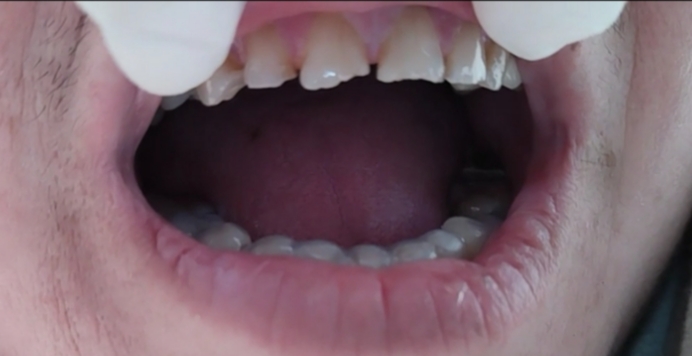
Bruxism is the involuntary grinding or clenching of teeth. It can happen during the day (awake bruxism) or at night (sleep bruxism). While some people may be aware of their condition, others may not realize they have it until they experience symptoms or a dentist points it out.
Symptoms of Bruxism
Common signs and symptoms of bruxism include:
- Teeth grinding or clenching, which may be loud enough to wake up your sleep partner
- Flattened, fractured, chipped, or loose teeth
- Worn tooth enamel, exposing deeper layers of the tooth
- Increased tooth sensitivity
- Jaw pain or tightness in the jaw muscles
- Earache-like pain, though it’s not actually a problem with your ear
- Headaches, particularly starting in the temples
- Damage from chewing on the inside of your cheek
- Sleep disruption
Potential Impacts of Bruxism
If left untreated, bruxism can lead to serious dental and health issues, such as:
- Tooth damage: Excessive grinding can wear down or break teeth.
- Jaw disorders: Chronic bruxism can lead to temporomandibular joint (TMJ) disorders, causing pain and dysfunction in the jaw joint.
- Headaches and migraines: The tension and stress from grinding can contribute to frequent headaches.
- Facial pain: Overuse of jaw muscles can cause persistent pain and discomfort.
- Sleep disturbances: Both the person grinding their teeth and their sleeping partner can experience disrupted sleep.
The Role of Night Guards in Bruxism Management
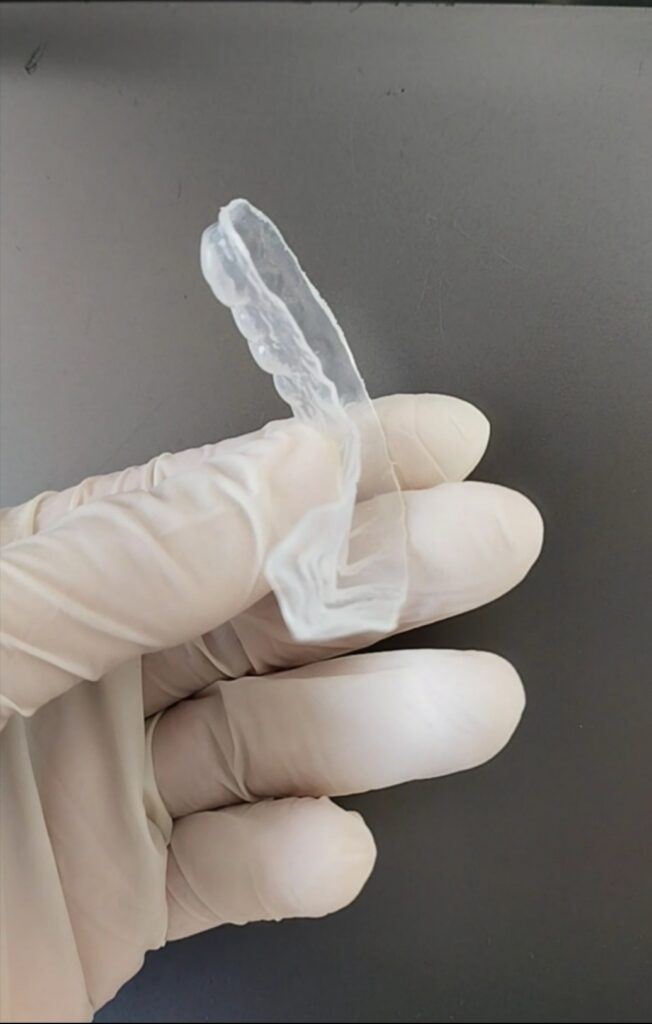
Night guards, also known as dental guards, mouth guards, or occlusal splints, are custom-made appliances worn over the teeth during sleep to prevent grinding and clenching. Here’s how they help:
- Protection of Teeth
- Night guards create a physical barrier between the upper and lower teeth, preventing them from grinding against each other.
- This helps to protect the teeth from wear, fractures, and other damage.
- Jaw Muscle Relief
- By providing a cushioning effect, night guards reduce the strain on jaw muscles and the temporomandibular joint.
- This can alleviate jaw pain, reduce muscle fatigue, and minimize the risk of developing TMJ disorders.
- Reduced Tooth Sensitivity
- By preventing tooth-on-tooth contact, night guards help reduce the pressure exerted on the teeth, which can lower tooth sensitivity.
- This is particularly beneficial for those with enamel erosion or exposed dentin.
- Improved Sleep Quality
- By minimizing the grinding noise and reducing discomfort, night guards can lead to better sleep for both the person with bruxism and their sleeping partner.
- Improved sleep can also contribute to overall better health and well-being.
- Custom Fit for Comfort
- Night guards are custom-made to fit the unique shape of your mouth, ensuring maximum comfort and effectiveness.
- This custom fit helps in keeping the night guard in place throughout the night.
Case Study: A Patient’s Experience
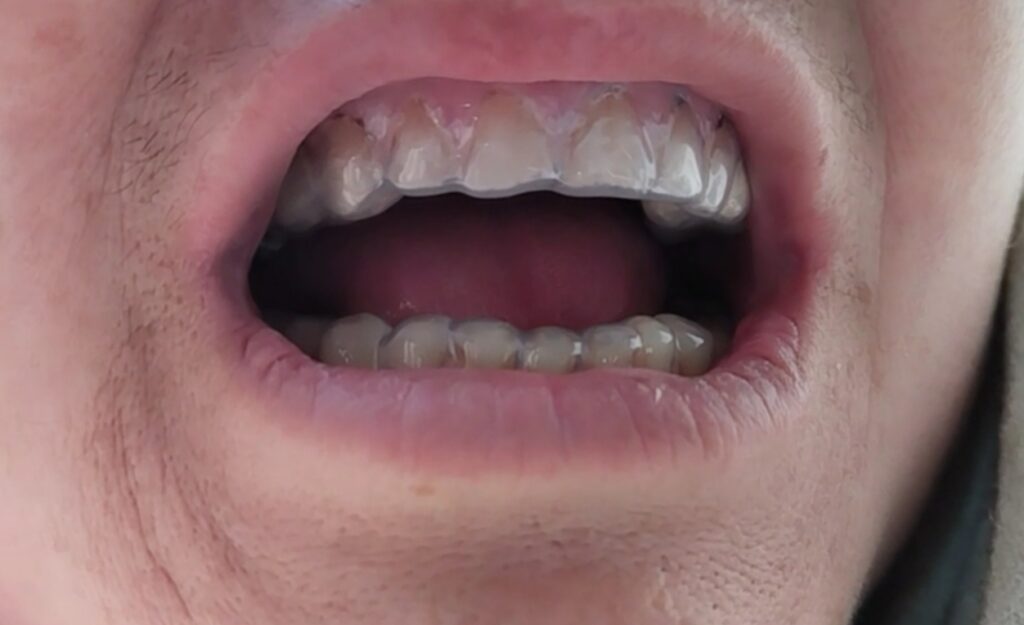
To illustrate the effectiveness of night guards, let me share the story of one of my patients, a 50-year-old woman who had been suffering from bruxism.
She came to our clinic complaining of persistent jaw pain and noticed that her anterior teeth were flattened due to years of grinding. After a thorough examination, we diagnosed her with bruxism and recommended a custom-made night guard.
We took impressions of her teeth to ensure a perfect fit and provided her with the night guard. After three months of consistent use, she reported significant relief. Her jaw pain had diminished, and the condition of her teeth was stable. She was extremely happy with the results and grateful for the improvement in her quality of life.
How to Get a Night Guard
- Consultation
- Schedule an appointment with your dentist to discuss your symptoms and concerns.
- Your dentist will evaluate your condition and determine if a night guard is the right solution for you.
- Impressions
- If a night guard is recommended, your dentist will take impressions of your teeth to create a custom-fitted guard.
- These impressions ensure that the night guard fits perfectly and provides optimal protection.
- Fitting and Adjustment
- Once the night guard is ready, your dentist will ensure it fits correctly and make any necessary adjustments.
- Proper fitting is crucial for comfort and effectiveness.
- Usage and Care
- Wear your night guard as instructed by your dentist, typically every night during sleep.
- Clean the night guard regularly with a toothbrush and mild soap, and store it in a protective case when not in use.
Conclusion
Bruxism can have significant impacts on your dental health and overall well-being, but a night guard can provide an effective solution. By protecting your teeth, relieving jaw muscle tension, and improving sleep quality, night guards play a crucial role in managing bruxism. If you suspect you have bruxism or are experiencing symptoms, consult with your dentist to discuss the best treatment options for you.
Call to Action
If you’re dealing with teeth grinding or clenching, contact us to schedule an appointment. Our experienced team can help diagnose your condition and provide you with a custom-fitted night guard to protect your smile and improve your quality of life.
